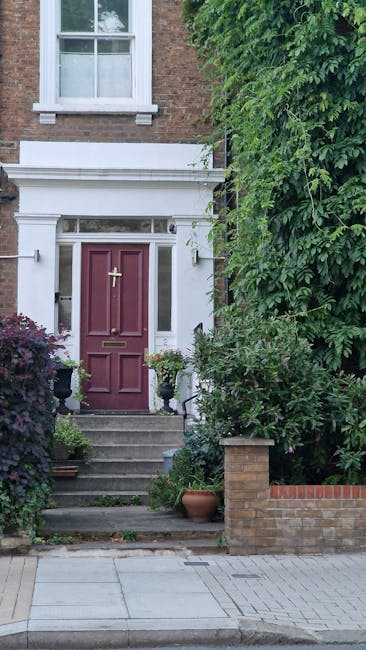
Chislehurst High Street gardeners for small front gardens
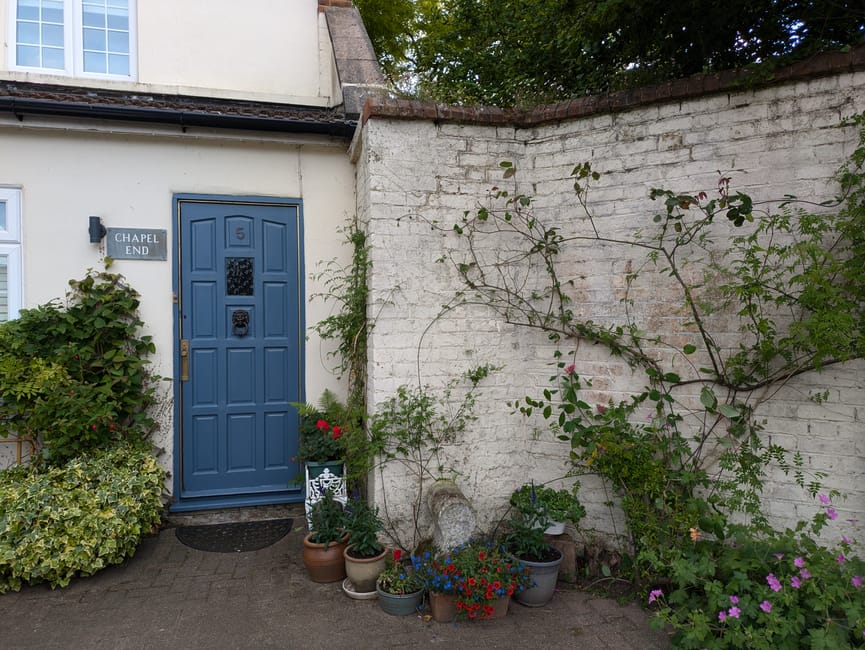
If you live near Chislehurst High Street, you already know the challenge: a small front garden has to do a lot of work. It needs to look welcoming from the pavement, stay tidy through busy weeks, and still feel like your space, not just a patch of leftover soil and one stubborn shrub. That is exactly where Chislehurst High Street gardeners for small front gardens can make a real difference. With the right planting, layout, and maintenance, even a narrow front plot can look elegant, low-fuss, and properly finished.
In practice, small front gardens are often less about size and more about decisions. What should be kept, what should be removed, and what will actually thrive in a compact London setting? This guide walks through the real-world approach: how local gardeners think about front-garden design, what services are useful, which mistakes to avoid, and how to get a result that feels calm rather than cramped. Let's face it, a tiny front garden can be surprisingly tricky.
Whether you want a better first impression, easier upkeep, or a smarter planting plan that does not swallow the space, you will find practical advice here. And if you are comparing services, it also helps to know how a wider range of garden services can support the job from initial tidy-up to longer-term care.
Why Chislehurst High Street gardeners for small front gardens Matters
Small front gardens are often judged in seconds. A passer-by notices the shape, the edges, the planting, and whether the whole thing feels cared for. That first impression matters more than people think, especially on a street where homes sit close together and every frontage is visible. A neat front garden can lift the look of the whole property. A neglected one, well, it broadcasts "I'll deal with it later" a bit too loudly.
For properties near Chislehurst High Street, the local environment also shapes the work. Front gardens may deal with compact soil, shade from nearby buildings or hedges, reflected heat from paving, and occasional heavy foot traffic from bins, deliveries, or parked cars. A gardener who understands small urban front plots will think differently from someone used to broad suburban borders. They will notice the little things: where water pools after rain, where a plant gets scorched by afternoon sun, and where a path needs more clearance so it feels welcoming rather than tight.
There is also a lifestyle angle. A small front garden should not become a weekly burden. If you are busy, away often, or simply do not enjoy constant edging and pruning, the right layout can reduce maintenance dramatically. That is a huge part of the value. Truth be told, most people do not want a "show garden" out front. They want something handsome, tidy, and realistic.
Expert summary: The best small front gardens are not the ones with the most plants. They are the ones with the clearest structure, the right scale, and a maintenance plan that matches how you actually live.
How Chislehurst High Street gardeners for small front gardens Works
The process usually starts with a quick assessment of the space. A good gardener will look at the size, shape, light levels, soil condition, drainage, and how the garden is used. Is it mainly decorative? Does it need to frame a path or step? Is there room for planting, or is the space mostly hard landscaping with a few pockets of green? Those details shape every decision that follows.
From there, the work is normally broken into a few practical stages:
- Assessment and priorities. The gardener identifies what is working, what feels cluttered, and what can be improved quickly.
- Clearing and preparation. This might include removing weeds, cutting back overgrown shrubs, tidying edges, and clearing old debris.
- Layout planning. In a small space, proportion matters. A sensible layout avoids overcrowding and preserves usable access.
- Plant selection. Plants are chosen for scale, resilience, and seasonal interest rather than sheer number.
- Finishing and maintenance. The final touches often include mulching, edging, trimming, and setting a realistic care schedule.
For some homeowners, the job is a one-off refresh. For others, it becomes a maintenance routine, maybe monthly or seasonally. That split matters because small front gardens do not always need major landscaping; often they need disciplined, regular care. A little trim here, a replant there, and suddenly the whole frontage feels sharper.
If the space needs more substantial changes, local teams may combine soft landscaping with more structural improvements. That can include new borders, low retaining features, paving adjustments, or even a broader redesign through landscape gardening or more general landscaping support. Not every front garden needs all that. But it is useful to know the options exist.
Key Benefits and Practical Advantages
Small front gardens can deliver a lot when they are handled well. The benefits are not just visual, either. They affect daily use, long-term upkeep, and how your property feels from the inside as well as the street outside.
- Better kerb appeal. A tidy, well-proportioned frontage instantly improves the look of the home.
- Easier maintenance. Smart planting and sensible edging reduce the amount of ongoing work.
- More usable space. Good layout makes a small garden feel less cramped and easier to move through.
- Seasonal interest. A thoughtful mix of evergreen structure and flowering plants keeps the space alive all year.
- Improved property presentation. Useful if you are preparing to sell, rent, or simply want the place to feel more cared for.
- Less wasteful planting. A compact garden rewards restraint. That usually means fewer mistakes and less money spent on plants that outgrow the space.
There is a quieter advantage too: peace of mind. When a front garden is designed well, it stops feeling like a chore hanging over you. You glance at it from the window and think, yes, that looks right. No drama. No jungle. Just neat, human, and pleasant.
In a street-facing setting, simple improvements can have an outsized effect. Re-edged borders, a clipped hedge, and one or two well-placed evergreen plants can often do more than a full overhaul. It sounds almost too simple, but that is often how small spaces work.
Who This Is For and When It Makes Sense
This kind of gardening support is a strong fit for homeowners who want a front garden that looks good without demanding constant attention. It is also useful for landlords, older residents, busy families, and anyone with limited time or limited planting experience. If you are tired of the "I'll sort it next weekend" cycle, this is probably for you.
It tends to make the most sense in these situations:
- You have a small frontage that feels cluttered or underused.
- You want a better first impression for guests, buyers, or passers-by.
- The garden is hard to keep tidy because the plants have outgrown the space.
- You would like lower-maintenance planting that still looks attractive.
- The path, boundary, or entry area needs better definition.
- You are planning a refresh before spring, summer, or a property listing.
It can also help if the front garden is split between hard surfaces and small planting pockets. That kind of space can be fiddly. A few mismatched plants and suddenly everything feels accidental. A gardener will usually spot whether the issue is overplanting, weak structure, poor spacing, or a maintenance gap. Sometimes it is all four, which is a bit unfair, really.
If your priority is simply routine upkeep, a maintenance-focused service may be enough. If the garden needs a fresh start, more intensive clearing may be the better first step. For overgrown or neglected plots, a garden clearance can make the later design work much easier.
Step-by-Step Guidance
Here is a practical way to think about improving a small front garden near Chislehurst High Street. These steps are straightforward, but each one matters. Skip one, and the whole thing can feel slightly off-balance.
1. Start with a proper look at the space
Stand at the pavement and then again at the front door. What do you see first? Is it a hedge that blocks the view, a patchy lawn, a broken edge, or a few plants that have clearly outgrown their welcome? In a small garden, the first visual line is everything.
2. Decide what should stay
Not every mature plant needs removing. A healthy shrub with good structure can anchor the whole design. But a plant that is too large, too leggy, or constantly in the wrong place can drag the garden down. A good gardener will distinguish between "needs shaping" and "needs to go."
3. Simplify the layout
Small front gardens usually work best with clear lines. Clean edging, one central focal point, and tidy boundaries can be far more effective than lots of tiny features. Too many different materials or plant styles can make the space look busy in a bad way.
4. Choose plants by mature size, not by how nice they look in the pot
This is a classic trap. A small plant in a nursery container can look harmless. Six months later, it has taken over. Select plants that will stay in scale, and prefer varieties that keep shape well with light pruning. Compact evergreen structure mixed with restrained seasonal colour usually works nicely.
5. Plan for easy maintenance
Ask yourself a simple question: will I still be happy with this in November, when the weather is damp and the enthusiasm has gone a bit? If the answer is yes, you are on the right track. A front garden should stay presentable with regular but manageable care.
6. Finish with detail
The final difference often comes from the small stuff. Fresh mulch, crisp edges, clean paving, healthy container plants, and a clipped hedge can make a small garden feel intentional. You will notice it immediately. So will everyone else walking past with a coffee in hand.
Expert Tips for Better Results
The best results usually come from restraint. In small spaces, "more" is rarely the answer. That does not mean plain or boring. It means thoughtful. A few strong decisions will beat ten average ones every time.
- Use evergreen structure. A small front garden benefits from year-round shape, even if the flowers come and go.
- Repeat materials and colours. Repetition makes the space feel calm and intentional.
- Keep the boundary clean. A hedge, fence, or wall should frame the garden rather than compete with it. Hedge trimming is often one of the quickest wins.
- Think in layers. Low plants at the front, medium structure behind, and one clear feature if needed. Not ten features. One.
- Leave breathing room. Small gardens need negative space. It gives the planting room to shine.
- Choose low-fuss maintenance where possible. A plant that needs constant attention is not always a good fit for a front garden.
A small practical tip: if you are unsure about scale, step back to the road or even look at the frontage in the rain. Sounds odd, but wet surfaces, darker soil, and close-up planting all read differently in poor weather. That is often when design flaws show themselves. Bit annoying, but useful.
If you want a healthier foundation for the whole space, routine maintenance matters as much as design. Services like garden maintenance and lawn mowing can stop a front garden from sliding back into untidiness once the main work is done.
Common Mistakes to Avoid
Small front gardens can go wrong in predictable ways. The good news is that most problems are preventable once you know what to watch for.
- Overcrowding the planting. Too many plants make the space feel smaller and busier.
- Ignoring mature size. A plant that fits now may not fit in a year.
- Using too many different materials. Mixed styles can create visual noise.
- Forgetting access. The garden still needs to work for bins, cleaning, visitors, and daily movement.
- Leaving edges unfinished. Loose borders and shaggy edges make even good planting look careless.
- Choosing high-maintenance features by accident. Pretty on day one, needy by month three. Happens all the time.
- Removing too much at once. Some structure is useful. Strip everything out and the garden can lose character.
One of the easiest mistakes to make is trying to make a small garden look bigger by stuffing it with lots of mini features. Ironically, that usually has the opposite effect. Clear space, simple lines, and a few strong plants are often far better. The eye relaxes. The place feels more expensive, too, though that may be a bit of a side effect rather than the goal.
Tools, Resources and Recommendations
For homeowners doing light upkeep themselves, the right tools can make the job much less stressful. For bigger jobs, the value lies in having the right service combination rather than buying more equipment. Not everything needs a DIY solution, to be fair.
| Need | Useful approach | Why it helps in a small front garden |
|---|---|---|
| Overgrown borders | Clearance and cut-back work | Restores shape before new planting goes in |
| Uneven edges | Edging and routine maintenance | Makes the space look sharper straight away |
| Too much shade or bulk | Selective pruning or hedge work | Improves light and opens the frontage |
| Patchy lawn | Consistent mowing and feeding schedule | Helps the garden look cared for without a full redesign |
| Unclear layout | Soft landscaping or redesign | Creates better flow and better use of space |
For more urgent jobs, some properties need a fast response. If the garden has become suddenly overgrown before guests arrive or a property is being prepared for sale, a focused clearance approach can be very helpful. There is also a useful article on same-day gardeners in Chislehurst for urgent clearances if speed is the priority.
Where sustainability matters, ask about green waste handling and recycling practices. Many homeowners now prefer a tidier, more responsible process, especially when cuttings and old materials are being removed. The practical side of gardening is not glamorous, but it counts.
Law, Compliance, Standards and Best Practice
Most front-garden work is straightforward, but there are still a few things worth handling carefully. If work involves boundary walls, shared access, trees, or changes near the pavement, it is sensible to proceed with care and ask questions before major changes are made. Local properties can have their own quirks, and no two front plots are exactly alike.
From a best-practice point of view, a professional gardener should work safely, communicate clearly, and avoid causing damage to neighbouring property or public areas. Good practice also means using appropriate equipment, managing waste responsibly, and being clear about scope before work begins. If pruning, lifting, or removal is involved, the team should be able to explain what will happen and what may need permission or extra caution.
Insurance is worth asking about too. It is not exciting, obviously, but it matters. A reputable gardener should be able to explain how they manage risk and what their safety approach looks like. You can also look through the site's own insurance and safety information, along with the health and safety policy, if you want to understand the standards behind the work.
If you are arranging work around access routes, shared front paths, or larger removals, it is wise to discuss it in advance rather than leaving assumptions to do the heavy lifting. That tends to go better for everyone. Always does.
Options and Comparison
Not every small front garden needs the same solution. Some just need maintenance. Others need a structural rethink. Here is a simple comparison to help you judge the right route.
| Approach | Best for | Pros | Watch-outs |
|---|---|---|---|
| Routine maintenance | Gardens that are mostly healthy but untidy | Affordable, quick, keeps things under control | Won't fix deeper layout issues |
| Clearance and reset | Overgrown or neglected front gardens | Creates a blanker, safer starting point | May feel drastic at first |
| Soft landscaping refresh | Spaces needing new planting and structure | Improves look and function without a full rebuild | Needs decent planning to avoid overcrowding |
| Full redesign | Front gardens with poor flow or weak curb appeal | Can transform the frontage completely | More time, more planning, usually more cost |
For many Chislehurst homes, the sweet spot is somewhere in the middle: a tidy clear-out, smarter planting, and a maintenance plan that keeps the result in place. Not too much. Not too little. Just enough to make the space work properly.
Case Study or Real-World Example
Picture a compact front garden off Chislehurst High Street: a narrow strip of lawn, an uneven hedge, two shrubs that had clearly outgrown their welcome, and a path that felt slightly squeezed. Nothing dramatic. Just a space that looked tired.
The first step was to clear the clutter and reduce visual bulk. The hedge was shaped back, one shrub was removed, and the remaining planting was pruned to bring the frontage back into proportion. Then came the rework: fresh edging, a tidier ground layer, and a few carefully chosen plants with year-round structure. The aim was not to create a "feature garden" as such. The aim was to make the house look cared for every day, without making the owner work for it every weekend.
The result was simple, but it changed how the home felt from the street. The door area looked brighter. The path felt wider. The planting no longer leaned over itself. And crucially, the owner could keep it looking good with light, regular maintenance rather than constant rescue missions. That is the kind of result most people really want.
It was not flashy. It was better than flashy.
Practical Checklist
Before you book work or start tidying up yourself, run through this checklist. It keeps the project grounded and helps you avoid unnecessary extra work later.
- Check how much light the front garden gets during the day.
- Measure the space so plant sizes are realistic.
- Identify any plants that have outgrown their place.
- Decide whether the main issue is maintenance, layout, or both.
- Look for drainage problems or areas where water sits after rain.
- Think about how the garden should look in winter, not just in summer.
- Keep access paths clear and easy to use.
- Choose plants that suit the level of care you can actually provide.
- Ask about waste removal and sustainability if clearance is involved.
- Confirm safety, insurance, and scope before major work begins.
If you are doing the job in stages, start with the parts that make the biggest visible difference. Usually that means cutting back, clearing, edging, and simplifying the layout. After that, planting decisions become much easier.
Conclusion
Small front gardens do not need to be complicated to be effective. In fact, they usually work best when they are kept simple, tidy, and proportionate. That is the real value of Chislehurst High Street gardeners for small front gardens: they know how to make a limited space feel polished without overfilling it, and how to keep it manageable long after the initial tidy-up is done.
If your frontage feels crowded, dull, or just slightly unfinished, a local gardener can help you turn it into something that quietly does its job every day. A smart small front garden makes the whole property feel more settled. More welcoming. Less effort, more reward. And that is a very decent trade.
Get a free quote today and see how much you can save.
Sometimes the smallest spaces end up making the strongest first impression. And that is worth getting right.
Frequently Asked Questions
What do Chislehurst High Street gardeners for small front gardens usually do?
They usually handle tidying, pruning, edging, planting, light redesign, and ongoing maintenance for compact front spaces. The exact job depends on whether the garden needs a quick refresh or a more complete reset.
Is a small front garden worth professionally maintaining?
Yes, especially if the space is street-facing and easy to see. A small front garden can improve kerb appeal quickly, and professional maintenance often keeps it looking good with less effort than a DIY approach.
How often should a small front garden be maintained?
That depends on the planting, but many front gardens benefit from regular light upkeep rather than rare big cuts. In practice, a monthly or seasonal visit is often enough for a well-designed space, with extra visits during faster-growing periods.
What plants work best in a small front garden?
Compact shrubs, low-maintenance evergreens, and plants that stay within their mature size tend to work well. The best choice depends on sun, shade, soil, and how much time you want to spend maintaining them.
Can a small front garden still have seasonal colour?
Absolutely. The trick is to keep the structure simple and then add seasonal colour in a controlled way, rather than filling every available gap. Too much colour can become visual noise very quickly.
Do I need a full redesign or just maintenance?
If the layout already works and the issue is mainly weeds, overgrowth, or untidy edges, maintenance may be enough. If the space feels awkward, cramped, or badly proportioned, a redesign or soft landscaping refresh may be the better choice.
How do I make a front garden look bigger?
Use fewer plant varieties, keep the edges crisp, avoid overcrowding, and preserve some open space. Clear lines and repeated materials usually make a small garden feel more spacious than a cluttered one.
Are hedge trimming and clearance useful for front gardens?
Very much so. Hedge trimming can improve light and shape, while clearance helps reset neglected spaces. Those two services often create the biggest visible change before any planting starts.
What should I ask before hiring a gardener?
Ask what is included, whether waste removal is covered, how safety is handled, and whether they can advise on planting and maintenance. It also helps to ask about insurance and what happens if the job reveals extra issues.
Is there anything special about gardening near a busy high street?
Yes. Visibility, access, and tidiness matter even more because the garden is seen so often and may be affected by foot traffic, deliveries, or tighter working space. A practical, low-fuss approach usually works best.
Can I combine front-garden work with other garden services?
Yes, and that is often a sensible approach. Many homeowners combine front-garden care with broader maintenance, hedge work, or clearance so the whole property feels more cohesive rather than just one part being polished up.
How do I keep costs sensible?
Keep the brief clear, focus on the highest-impact tasks first, and avoid overcomplicating the design. Small gardens do not need lots of materials or rare plants to look good. A clean, well-planned result is usually the most cost-effective one.