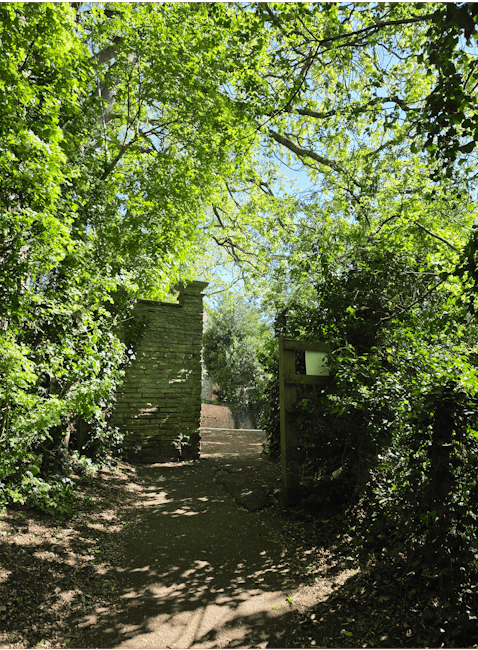
Elmstead Woods gardeners for steep and shaded plots
If you have a garden that slopes away from the house, stays cool under mature trees, or seems to sit in permanent half-light, you already know the job is a bit more involved than a standard flat, sunny plot. Elmstead Woods gardeners for steep and shaded plots need to think differently from the first spadeful: drainage, access, soil stability, plant choice, and ongoing maintenance all matter. The good news? A difficult garden can become one of the most rewarding spaces to own. You just need the right approach, and a realistic plan.
This guide walks through how steep and shaded gardens are assessed, what works best on awkward ground, and the practical decisions that stop small issues becoming expensive ones later on. It is written for homeowners who want clear answers, not fluff.
Why Elmstead Woods gardeners for steep and shaded plots Matters
Steep and shaded gardens are not just "a bit tricky". They behave differently. Water runs downhill, roots compete for moisture, soil often washes away, and shady corners can stay damp long after the rest of the garden has dried out. Add narrow access or awkward steps, and even simple maintenance turns into a careful operation.
In Elmstead Woods, many gardens have established planting, mature trees, and level changes that create charm but also complexity. That is exactly why using gardeners who understand these conditions matters. A rushed approach can leave you with patchy planting, unstable edges, slippery paths, and endless maintenance headaches. A good approach, by contrast, works with the slope and shade instead of fighting them.
Shade also changes the feel of a garden. Some plants love it. Others sulk and fail slowly, which can be frustrating because the problem is not always obvious at first. You might see a few yellow leaves in spring, then bare patches by midsummer, and by autumn the whole bed looks tired. Truth be told, that is usually a design issue rather than a "bad plant" problem.
Steep ground brings safety into the picture too. Slips, trips, unstable tools, and moving soil all become more serious when you are working on an incline. That is why experienced gardeners tend to plan access, staging, and cleanup before they begin any major work. It sounds obvious, but let's face it, obvious things are often the ones that get skipped.
If you are looking for a wider view of services beyond this specific challenge, the services overview gives a useful sense of how different garden tasks fit together. For ongoing upkeep, regular garden maintenance can be especially valuable on plots that need steady, seasonal attention rather than one-off "fix it and forget it" work.
How Elmstead Woods gardeners for steep and shaded plots Works
The process usually starts with a walk-through assessment. That sounds simple, but it is where a lot of the thinking happens. The gardener or landscaper will look at the gradient, where water moves, how much light each part receives, whether soil is thin or compacted, and how easy it is to get materials in and out safely.
From there, the work is usually split into manageable parts:
- Access planning: deciding how to move tools, green waste, materials, and equipment without damaging the garden or making the slope unsafe.
- Drainage awareness: checking where water pools, where it runs, and whether any soft spots need attention.
- Structure and stability: looking at retaining edges, steps, borders, and surfaces so they hold up over time.
- Plant selection: choosing species that cope with shade, dry root competition, or damp conditions.
- Maintenance planning: building a routine that keeps growth under control without overworking the ground.
In practical terms, a shady, sloping garden often benefits from layered work. For example, the upper section might need canopy thinning or careful tree work, while the lower section may need better ground cover and improved edging to reduce soil movement. If overgrown trees are stealing too much light, tree lopping and removal may be part of the answer, though that should always be considered carefully and only where it genuinely improves safety, light, or long-term garden health.
For gardens with brambles, clippings, old timber, and years of buildup, a proper garden clearance can reset the space before the real design work begins. That first clean-up is often the moment people say, "Oh, actually, there is a garden here."
After clearance, the work may move into reshaping banks, installing steps or terraces, planting shade-tolerant borders, and setting up maintenance that keeps the garden from sliding back into chaos. If decking or seating is part of the plan, a well-designed raised area can make the space much more usable. Done properly, decking services can add both practicality and a bit of breathing space on awkward ground.
Key Benefits and Practical Advantages
There are real advantages to working with gardeners who understand steep, shaded plots. The biggest one is probably this: the garden starts to feel manageable again. Not perfect. Manageable. That is a very good place to begin.
- Safer movement around the garden: better steps, surfaces, and access routes reduce slips and awkward carrying.
- Healthier planting: the right plants establish better and need less rescue work later.
- Less erosion and runoff: sensible edging, ground cover, and drainage choices help protect the soil.
- Improved light use: shade is not the enemy, but it needs to be managed thoughtfully.
- Lower maintenance pressure: a garden designed around the site is easier to keep tidy.
- Better year-round appearance: even in winter, the space can look intentional rather than neglected.
Another practical benefit is that the right approach can reduce the constant "patch up" cycle. On awkward plots, people often spend money repeatedly on quick fixes: a few new plants here, some gravel there, a bit of fence repair, another load of soil after heavy rain. That adds up. A more joined-up solution usually costs less stress in the long run, even if it requires more thought at the start.
There is also a design payoff. Shade gardens can be beautiful. Ferns, hellebores, hosta-like foliage, evergreen structure, and textured planting can create a calm, layered look that sunny gardens sometimes struggle to match. On a slope, those layers can feel even more dramatic. It is one of those situations where the "problem" becomes the personality of the garden.
If you want a broader landscaping approach rather than isolated fixes, landscape gardening and landscaping services can help bring structure, planting, and usability together. The trick is making sure the whole garden works as one system, not a few disconnected jobs.
Who This Is For and When It Makes Sense
This kind of service makes sense for homeowners who look out at a garden and think, "I know it has potential, but where do I even start?" If that sounds familiar, you are in the right place.
It is especially useful if you have:
- a sloped rear garden that sheds water downhill after rain
- heavy shade from mature trees or nearby buildings
- patchy turf that struggles because it never gets enough light
- moss, dampness, or compacted soil
- awkward access that makes routine maintenance annoying
- banks, terraces, or steps that need reworking
- overgrown areas you have been avoiding for months
It also makes sense when you are preparing to sell, planning a refurbishment, or simply tired of a garden that looks smaller and harder to use than it should. A steep plot can feel twice the size when it is cluttered, but strangely even smaller when it is badly arranged. Funny how that works.
For some households, the right move is not a complete redesign. It may just be smarter maintenance, better pruning, and a few structural changes. For others, a bigger rethink is needed. A good gardener will tell you the difference rather than pushing a grander job than you actually need.
If you are comparing service options, the best starting point is often to review the provider's approach to safety, insurance, and working methods. Pages like insurance and safety and health and safety policy can help you understand the kind of standards a professional service should be thinking about.
Step-by-Step Guidance
Here is the practical sequence that usually works best on steep and shaded plots. It is not glamorous, but it gets results.
- Start with a site assessment. Note the steepest sections, the darkest sections, drainage patterns, and any access constraints.
- Clear obvious problem areas. Remove dead growth, invasive weeds, fallen branches, and debris so you can see the real structure of the garden.
- Test soil condition. A simple hand check can reveal compaction, dryness under tree roots, or waterlogging in lower pockets.
- Decide what to keep. Mature shrubs, trees, and existing boundaries can often be worked into the new plan rather than removed.
- Address drainage and stability first. Before planting heavily, make sure soil movement, paths, and edges are under control.
- Choose shade-tolerant planting. Pick plants for the actual light levels, not the wishful version of the garden.
- Build in access and maintenance routes. A pretty garden that is impossible to reach is not much of a success.
- Set a realistic maintenance rhythm. Plan lighter, regular work rather than waiting until the whole thing becomes a weekend-consuming monster.
One small but important point: do not overplant a shaded slope. People often try to fill every bit of ground immediately, and that can create competition, damp congestion, and a lot of future pruning. A little breathing room helps. So does a clear plan for how the garden will look in two or three years, not just next month.
If the space needs repeated upkeep, a tailored garden maintenance schedule can be more valuable than a one-time makeover. In real life, that often means seasonal tidy-ups, pruning, leaf clearance, and keeping drainage channels free. It is not complicated, just consistent.
Expert Tips for Better Results
Here are a few things experienced gardeners tend to think about early, because they save trouble later on.
- Work with layers. On a slope, layered planting and stepped structure feel more natural than trying to flatten everything.
- Prioritise soil retention. Mulch, ground cover, and well-placed edging can do a lot of quiet work.
- Use shade as a design feature. Deep greens, silvery foliage, and textured leaves often look better in shade than bright, fussy planting.
- Keep paths simple. A clear route through the garden matters more than an elaborate one.
- Think about winter. In shaded plots, winter can feel long and bare, so evergreens and structural plants are worth their weight.
A practical example: if a lower border stays damp and muddy, a gardener may use ground cover, improve drainage, and trim back overhead growth rather than endlessly replacing plants. That sounds modest, but it can transform the space. Really transform it.
Another tip is to avoid forcing lawn where lawn does not want to live. A turf patch in deep shade on a slope can become a maintenance burden very quickly. In those areas, it may be better to switch to planting, bark, gravel seating, or a more robust surface. If grass remains part of the design, a regular lawn mowing routine will still need to be handled carefully so the ground is not damaged when it is soft.
And yes, hedge lines matter too. On narrow or sloping plots, overgrown hedges can make everything feel tighter and darker. A clean boundary and a little extra light can change the whole mood of a garden. Hedge trimming is one of those jobs that sounds routine but often has a bigger visual impact than people expect.
Common Mistakes to Avoid
Steep and shaded gardens often go wrong in predictable ways. The good news is that most of them are avoidable.
- Choosing plants for looks alone. Pretty labels are not enough if the site is too dark or too dry under trees.
- Ignoring runoff. Water follows the slope, whether you plan for it or not.
- Using the wrong materials on paths. Loose surfaces can become slippery or unstable on inclines.
- Overlooking access. If workers cannot move safely, the job will take longer and cost more in effort.
- Letting shade become neglect. A dark corner still needs care. Maybe especially then.
- Trying to do everything in one go. On awkward plots, staged improvements usually work better than a huge rushed project.
One more mistake worth mentioning: removing too much too fast. It is tempting to cut back every branch, clear every shrub, and "start fresh". But on a steep, shaded garden, some existing structure protects the soil and gives the space shape. Clear too aggressively and you can end up with exposed ground, worse erosion, and a garden that feels harsh rather than open.
That is why professional judgement matters. Good gardeners balance what should go, what should stay, and what can be improved gradually. There is a rhythm to it, and a bit of patience goes a long way.
Tools, Resources and Recommendations
Working on steep and shaded plots usually requires practical tools more than flashy ones. The exact kit depends on the job, but these are common essentials:
- sharp secateurs and loppers for pruning
- sturdy rakes and hand forks for clearing debris and shaping soil
- wheelbarrows or carry systems suited to slopes
- mulch, compost, and soil improvement materials
- ground cover plants for low-light areas
- edging materials to help contain soil and define paths
- safe footwear with grip, because wet shade can be slick even on a mild day
For homeowners, the most useful "resource" is often a clear service scope. Before any work begins, it helps to know whether the job is a tidy-up, a structural landscaping project, or an ongoing maintenance arrangement. If the scope is fuzzy, costs and outcomes tend to drift. Not ideal.
It is also sensible to ask how waste will be handled, especially if the job involves cutting back dense growth or removing unstable material. A responsible service should be able to explain its disposal and recycling approach clearly. If sustainability matters to you, the page on recycling and sustainability is a helpful place to understand the kind of practices a professional garden service should aim for.
If you are still comparing providers, the detail on pricing and quotes can help set expectations around how estimates are usually shaped. Steep access, dense planting, and material handling can all affect the amount of labour involved, so a garden assessment is far more useful than guesswork over the phone.
Law, Compliance, Standards, or Best Practice
For domestic garden work, the most important point is not legal complexity; it is responsible practice. Steep access, height work, and tree-related tasks bring safety into sharper focus, and professionals should plan accordingly.
Good practice usually includes:
- assessing ground conditions before lifting or carrying heavy items
- using appropriate equipment for slopes and uneven terrain
- staying alert to trip hazards, unstable edges, and wet surfaces
- handling tree and hedge work carefully, especially near fences, sheds, or neighbouring gardens
- making sure waste is moved and stacked safely during the job
Where tree work is involved, it is sensible to confirm that the gardener understands when a tree needs more specialist attention. Not every overgrown tree is a major issue, but if branches are blocking light, creating a safety concern, or pushing against structures, it may need proper reduction or removal. Again, judgement matters more than drama.
For peace of mind, many customers also look for information about insurance and complaint handling before instructing anyone on a challenging site. That is sensible, not fussy. You can review the company's approach through its insurance and safety and complaints procedure pages, which signal how it handles responsibility and customer concerns.
There are also basic privacy and payment expectations worth checking, especially if you are arranging work remotely or requesting a written quote. The pages on privacy policy and payment and security cover those trust points in plain terms. Small details, but they matter.
Options, Methods, or Comparison Table
Different steep and shaded plots call for different methods. Here is a simple comparison to help you think through the options.
| Approach | Best for | Pros | Trade-offs |
|---|---|---|---|
| Basic tidy-up and maintenance | Gardens that already have a workable layout | Quick, cost-conscious, keeps things under control | Will not solve drainage or structural issues |
| Targeted pruning and clearance | Overgrown shaded plots with poor light and access | Improves visibility, safety, and air movement | Needs careful judgement to avoid overcutting |
| Soft landscaping | Areas needing planting, mulching, edging, and soil improvement | Better long-term planting success and lower erosion | Requires planning and an understanding of shade |
| Structural landscaping | Steep plots with access problems, unstable edges, or unusable space | Creates terraces, steps, and lasting function | More involved and usually more time-intensive |
If you are unsure where your garden sits on that scale, start with the smallest sensible intervention. Sometimes a combination of clearance, light reduction, and planting changes is enough. Other times, the slope is telling you, very plainly, that it needs proper structure. Gardeners who understand both landscape gardening and practical maintenance can usually help you decide without overcomplicating things.
Case Study or Real-World Example
Here is a realistic example based on the kind of work this topic usually involves.
A homeowner has a rear garden with a downward slope, mature trees at the back, and a lower section that stays damp for much of the year. The lawn has become patchy, the borders are crowded, and a narrow side access makes routine maintenance awkward. Every autumn, leaves collect in the lower corner and the area feels colder and darker than the rest of the garden.
The first stage is clearance. Dead stems, leaf buildup, and a few pieces of broken edging come out. Then the canopy is opened a little with selective pruning so more light reaches the centre of the garden. The lower area is reworked with shade-tolerant planting and ground cover, while the path is simplified so there is a safer route through the space. Where the slope is most awkward, a small seating area is created with a solid surface rather than trying to force grass where it never really wanted to grow.
The result is not a show garden with perfect symmetry. It is better than that. It is usable, easier to maintain, and less frustrating on wet days. You can walk through it without feeling as if you are navigating a problem. That is often the true success measure in gardens like these.
For a job of that kind, the mix of garden clearance, landscaping, and regular upkeep usually works better than treating it as a one-off rescue. Gardens on slopes have a habit of rewarding steady care.
Practical Checklist
Before you book work or start planning a refresh, run through this quick checklist.
- Identify the steepest and shadiest areas of the garden.
- Check where water runs after heavy rain.
- Note any slippery steps, loose edges, or uneven paths.
- List the plants that are thriving and the ones that never quite do well.
- Decide whether tree shade is part of the charm or part of the problem.
- Think about whether you need clearance, redesign, or routine maintenance.
- Ask how waste, access, and safety will be managed.
- Confirm that the work plan fits your budget and your long-term upkeep capacity.
- Keep a few structural elements if they help hold the garden together.
- Choose the simplest solution that actually solves the issue.
Expert summary: the best results on steep and shaded plots come from careful assessment, sensible sequencing, and planting that respects the site. It is rarely about doing everything at once. It is more about doing the right things in the right order, and then keeping them going.
Get a free quote today and see how much you can save.
Conclusion
Elmstead Woods gardeners for steep and shaded plots need a practical eye, good judgement, and a willingness to work with the garden rather than against it. That means handling access safely, choosing plants for the real conditions, improving drainage where needed, and building a plan that the garden can actually sustain.
There is a lot of satisfaction in turning an awkward plot into a calm, usable space. Not because it becomes effortless, but because it becomes understandable. And once a garden makes sense, it starts to feel lighter to live with.
If your space has been feeling too dark, too steep, or just too difficult to keep on top of, that does not mean it is beyond help. Often it only needs the right approach, a clear sequence of work, and a little patience. Sometimes that is all a garden is waiting for.
Frequently Asked Questions
What makes steep and shaded gardens harder to maintain?
Slopes move water and soil downhill, while shade reduces drying and limits plant choice. Put those together and you get more dampness, more erosion risk, and plants that need more careful selection. Simple jobs can also take longer because access is harder.
Can a shady sloping garden still look attractive?
Yes, very much so. Shade gardens can be rich in texture and structure, and slopes give them depth. The key is choosing plants and hard landscaping that suit the site instead of trying to force a sunny-garden look into a darker space.
Do I need landscaping or just garden maintenance?
If the layout is basically sound, maintenance may be enough. If the slope, access, drainage, or level changes are causing ongoing problems, then landscaping is usually the better option. A site assessment normally makes that clear quite quickly.
What plants work best in shaded plots?
Shade-tolerant, moisture-aware, and root-competitive plants usually perform best. The exact choice depends on whether the area is dry shade, damp shade, or part shade. That distinction matters more than people think.
Is it worth keeping a lawn on a steep, shaded garden?
Sometimes, but not always. If grass is thin, mossy, or hard to maintain, a different surface or planted area may be more practical. A small patch of lawn can work, but broad stretches of poor lawn often become a chore.
How do gardeners handle access on steep plots?
They usually plan the route before starting, move materials in stages, and use equipment appropriate to the slope. Good access planning protects both the garden and the people working in it. It sounds dull. It is not dull when the ground is wet.
Should trees be removed to improve light?
Not automatically. Sometimes selective pruning is enough, and sometimes a tree is part of the structure and value of the garden. Removal should only be considered where shade, safety, or long-term health really justify it.
How often should a steep, shaded garden be maintained?
That depends on growth rate, tree cover, and how much structure the garden has. Many plots benefit from regular seasonal attention rather than occasional big clean-ups. Little and often is usually kinder to the space.
Are steep gardens more expensive to work on?
They can be, because access, safety, and material handling take more time. But the exact cost depends on what is being done. A small maintenance visit is very different from a full redesign or major clearance job.
What should I ask before hiring a gardener for this kind of plot?
Ask how they assess slope and drainage, whether they have experience with shaded planting, how they handle safety on uneven ground, and what the maintenance plan will be after the initial work. Those questions tell you a lot.
Can a steep, shaded garden be low maintenance?
Yes, if it is designed well. Low maintenance does not mean no maintenance; it means sensible planting, good access, and fewer problem spots. A thoughtfully planned garden can be much easier to live with than a flat one that was planted badly.
What is the first thing to fix: shade or slope?
Usually the answer is "it depends". If the shade is caused by overgrowth, light management may come first. If the bigger issue is soil movement or unsafe access, slope-related work may need priority. A proper assessment helps separate the two.
For more background on the people behind the service, you can also read the company's about us page. If you are ready to talk through your own garden, the contact us page is the next sensible step.
And if you are the type who likes the small print before anything else, the terms and conditions page is there too. It is not the thrilling part, admittedly, but it is part of doing things properly.
One last thought: difficult gardens often become the ones people love most, because they stop being difficult once they are understood. That is a good place to end, I think.